



Welcome to the Masterclass in Palliative and End of Life Care. This professional online training course is specifically designed for healthcare professionals, registered nurses, care home managers, and dedicated carers who wish to deliver compassionate, high-quality, and dignified care to individuals facing life-limiting or life-threatening illnesses.
End of life care is a deeply profound area of health and social care. It extends far beyond the final moments of a person’s life; rather, it encompasses a holistic journey that can span weeks, months, or even years. The ultimate objective of this specialised care is to enhance the overall quality of life for patients, whilst simultaneously providing indispensable practical, emotional, and spiritual support to their families, friends, and caregivers.
Throughout this course, you will dive into the essential frameworks governing modern palliative support. You will gain a thorough understanding of how to identify various phases of advanced sickness, manage distressing physical symptoms (such as pain and breathing difficulties), and address complex psycho-spiritual needs. Furthermore, you will navigate the crucial legal and clinical aspects of advance care planning, including the implementation of advance care directives, lasting power of attorney, and legally binding advance decisions.
By understanding the distinct differences between standard clinical assessments and palliative holistic assessments, you will learn to view the patient as a whole person, keeping their unique wishes at the absolute centre of the care plan. Finally, the curriculum covers the sensitive responsibilities of care after death and the core safeguarding principles outlined in the Care Act 2014.
What You Will Learn
By enrolling in this course, you will discover how to:
- Deliver Person-Centred Support: Focus directly on the patient’s individual needs, comfort, and choices rather than simply treating their medical diagnosis.
- Identify Stages of Sickness: Utilise clinical tools like the Australia-modified Karnofsky Performance Scale to gauge patient function across stable, unstable, deteriorating, and dying phases.
- Conduct Holistic Assessments: Gather subjective and objective data covering vital signs, overall physical health, and non-verbal behaviours.
- Facilitate Advance Care Planning: Navigate the process of documenting advance care directives, creating advance care plans, and arranging a lasting power of attorney.
- Provide Physical and Emotional Comfort: Manage complex symptoms like pain, skin irritation, and breathing problems, whilst mitigating anxiety and depression.
- Manage Care After Death: Correctly handle the personal care of the deceased within the optimum timeframe to preserve dignity and respect.
- Apply the Care Act 2014: Fully embed the six core safeguarding principles—Empowerment, Protection, Prevention, Proportionality, Partnership, and Accountability.
Why Should You Take This Course?
- Enhance Patient Quality of Life: Gain the vital clinical knowledge required to reduce physical suffering and manage terminal illnesses early in the disease process.
- Legal and Professional Confidence: Understand the legalities surrounding the Mental Capacity Act, advance decisions, and the historic legal right to specialist palliative care.
- Reduce Family and Carer Distress: Learn how to ease the emotional, practical, and psychological burdens placed upon grieving families and carers.
- Career Development: Boost your career trajectory using a curriculum designed to meet key Care Quality Commission (CQC) performance indicators and corporate policies.
- Flexible Learning for Busy Professionals: Study entirely online at your own pace, matching the workforce development frameworks required across public and independent sectors.
Who This Course Is For
This comprehensive training is tailor-made for:
- Registered Nurses and Healthcare Assistants working in NHS hospitals, clinics, or private nursing environments.
- Care Home Managers and Care Staff who want to train their teams and align with national end-of-life care competencies.
- General Practitioners (GPs) and Medical Specialists seeking to refine their approach to holistic patient assessment and phase-of-illness identification.
- Social Workers, Counsellors, and Spiritual Advisers who provide essential emotional, mental, and religious support near the end of life.
- Independent and Voluntary Carers looking for authoritative guidance on daily tasks and compassionate care.
Course Content
Introduction to Palliative & End of Life Care
-
Introduction to Palliative & End of Life Care
Identification of the Stage of Illness
Palliative Care Holistic Assessment
Advance Care Planning
Care at the End of Life
Care after Death
Further Support, Training and Development
Legal Issues
Glossary of Terms
Appendices
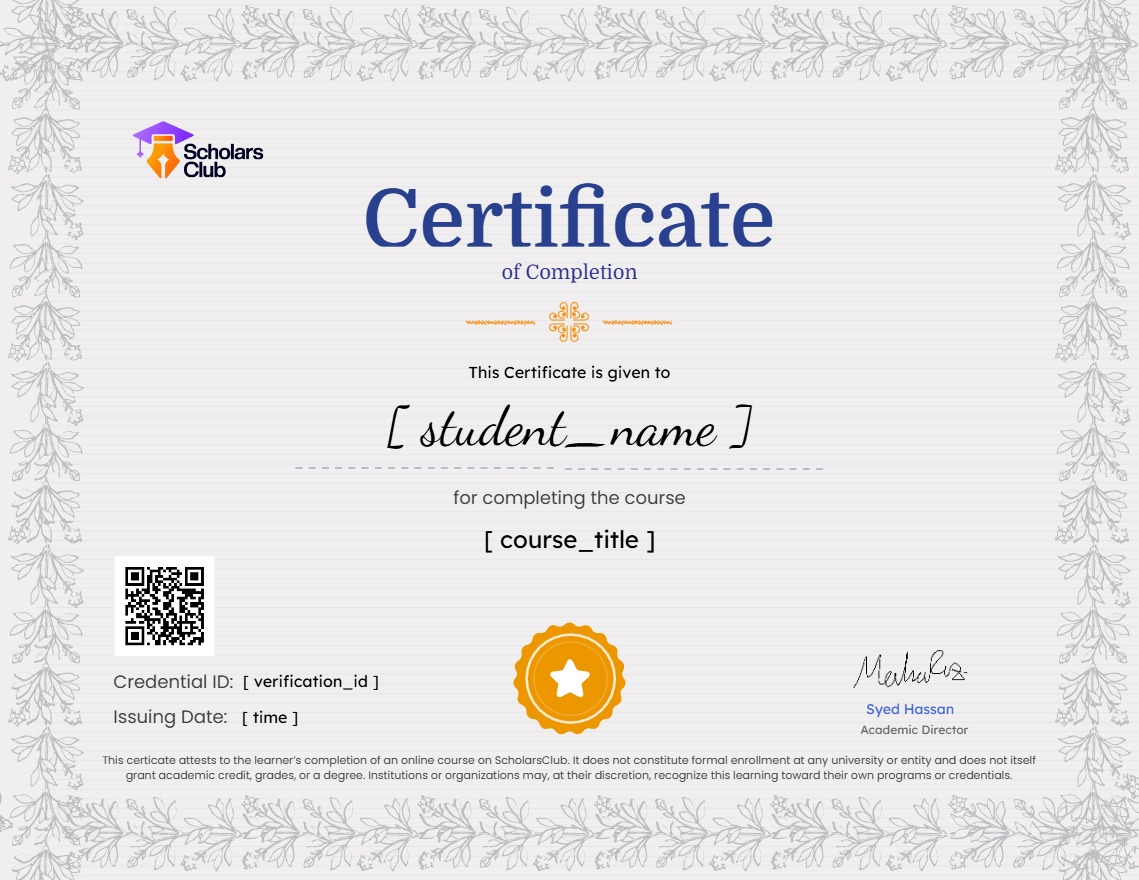
Earn a certificate
Add this certificate to your resume to demonstrate your skills & increase your chances of getting noticed.
A course by

Student Ratings & Reviews


 Lessons: