



Are you looking to unlock the power of the human mind, overcome negative automatic thoughts (NATs), and acquire practical skills to transform lives? Whether you are aiming to build a rewarding career in counselling, enhance your existing therapeutic practice, or apply evidence-based strategies for personal development, this online Cognitive Behavioural Therapy (CBT) course offers the ultimate learning path.
Cognitive Behavioural Therapy is widely recognised as one of the most effective, evidence-based talking therapies available today. By examining the intricate link between our thoughts, feelings, and behaviours, CBT provides structured, action-oriented solutions for managing stress, anxiety, depression, and various psychological challenges.
Our practitioner-level CBT course provides a deep dive into core CBT principles, cognitive restructuring techniques, thought records, and behavioural experiments. Designed by industry experts, this course equips you with the confidence and practical tools necessary to conduct therapeutic sessions or embark on a journey of self-guided healing.
What You Will Learn
- Core CBT Principles & Foundations: Understand the cognitive model, Socratic questioning, and how thoughts directly influence emotional states and physical sensations.
- Identifying & Catching NATs: Learn to uncover Negative Automatic Thoughts (NATs) and dismantle unhelpful cognitive distortions.
- Mastering CBT Thought Records: Utilize 7-column thought records to catch, evaluate, and reframe dysfunctional thinking patterns.
- Overcoming Faulty Thinking Styles: Spot cognitive biases such as catastrophising, black-and-white thinking, mind reading, and emotional reasoning.
- Uncovering Core Beliefs: Apply advanced clinical methods like the Downward Arrow Technique to discover and modify deep-seated core beliefs.
- Behavioural Experiments & Exposure: Design actionable behavioural experiments and graded exposure hierarchies to help clients face fears directly.
- Emotional Intelligence & Regulation: Enhance emotional awareness, distinguish between feelings and thoughts, and build healthy coping mechanisms.
- Application in Diverse Settings: Apply CBT principles across clinical therapy, workplace coaching, relationship counselling, and self-help contexts.
Why Should You Take This Course?
- Comprehensive Clinical Syllabus: Access an extensive curriculum covering everything from basic psychoeducation to advanced cognitive restructuring strategies.
- Evidence-Based Techniques: Learn gold-standard approaches heavily backed by clinical research and utilised worldwide within public healthcare systems like the NHS.
- Practical Training Materials: Download essential CBT worksheets, blank thought logs, and structured templates ready for immediate client use.
- Flexible Online Learning: Study at your own pace from the comfort of home, with lifetime access to all learning resources and future course updates.
- Dual Focus on Self-Help & Practitioner Skills: Gain valuable insight for your own personal development whilst simultaneously building professional expertise to help others.
Who This Course Is For
- Aspiring Counsellors & Therapists: Individuals looking to establish a solid foundation in Cognitive Behavioural Therapy.
- Mental Health Professionals: Practicing counsellors, hypnotherapists, Life Coaches, and NLP practitioners seeking to add structured CBT tools to their repertoire.
- HR Professionals & Workplace Coaches: Managers and occupational health specialists aiming to reduce stress and improve mental wellbeing in the workplace.
- Self-Help Enthusiasts: Anyone experiencing anxiety, intrusive thoughts, or low self-esteem who wishes to become their own therapist using proven CBT strategies.
Course Content
Introduction
-
Introduction
What is CBT (Cognitive Behavioural Therapy?)
Who Uses CBT (Cognitive Behavioural Therapy)?
How Do You Do CBT (Cognitive Behavioural Therapy)?
Identifying Problems, Challenges & Solutions
Negative Automatic Thoughts (NAT’s)
Thought Records
Thinking, Feeling and Behaviours
Challenging Negative Thoughts
When Negative Thoughts Are True
Faulty Thinking Styles
Identifying Emotions
Changing Behaviours
Tackling Beliefs
Additional CBT Therapeutic Ideas
Relaxation, Mindfulness and Mental Rehearsal
Mental Rehearsal
Treating Different Conditions with CBT (Cognitive Behavioural Therapy)
Conclusion
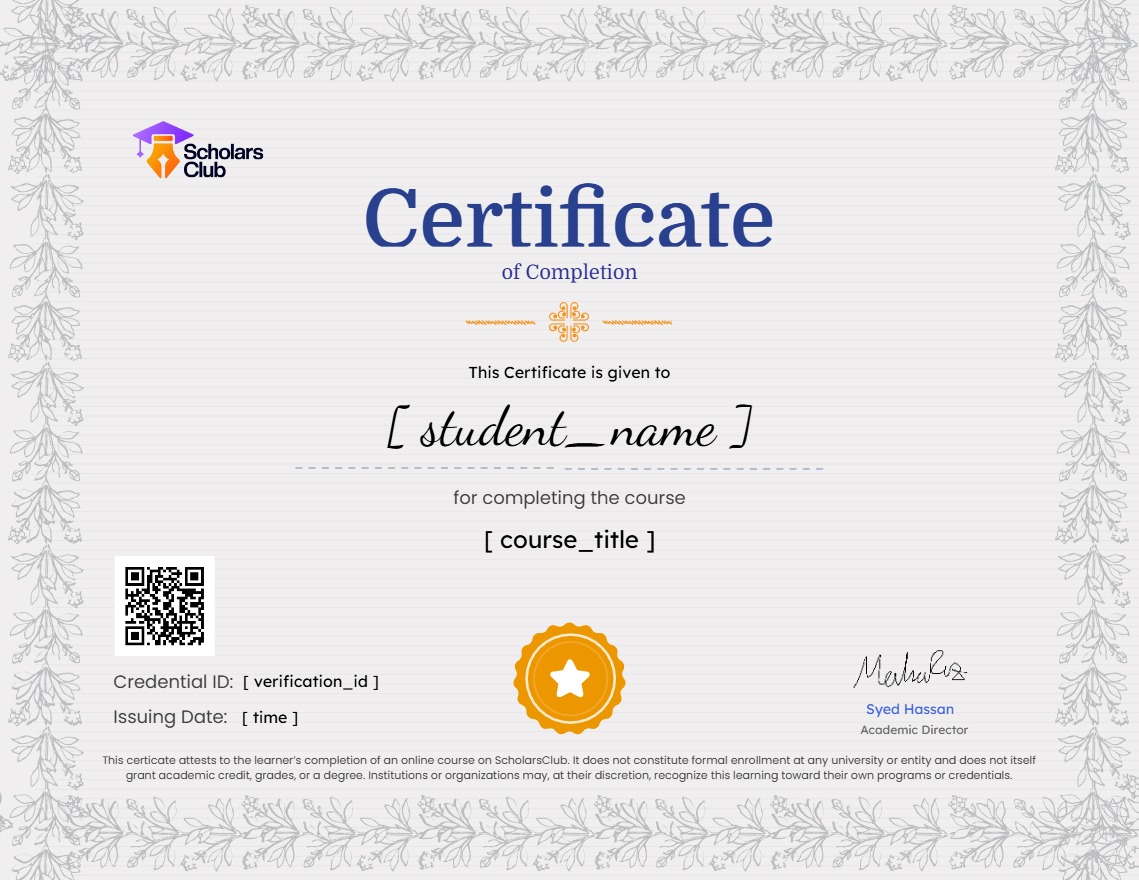
Earn a certificate
Add this certificate to your resume to demonstrate your skills & increase your chances of getting noticed.
A course by

Student Ratings & Reviews


 Lessons: