


In any group setting—be it a classroom, a youth club, or a residential care home—behaviour is a form of communication. Our Behaviour Management course is a comprehensive guide designed to help you decode those messages and respond with professional poise. Whether you are dealing with minor disruptions or more complex, deep-seated challenges, this training provides the psychological insights and practical “on-the-ground” tools required to maintain a safe and inclusive atmosphere.
We move away from outdated “command and control” models, focusing instead on Positive Behaviour Support (PBS). You will explore the biological and environmental triggers that lead to challenging outbursts, looking at how factors like stress, communication barriers, and neurodiversity (such as ADHD or Autism) play a role. Understanding the “Functional Assessment” of behaviour—asking why a person is acting out—is the first step toward creating lasting, positive change.
A significant portion of this course is dedicated to De-escalation Techniques. You will learn how to spot the “rumble stage” of a crisis and use verbal and non-verbal strategies to lower the emotional temperature before a situation reaches a breaking point. We also cover the legal and ethical frameworks surrounding the use of restrictive interventions in the UK, ensuring you always operate within the “Least Restrictive” principle.
What You Will Learn
By completing this specialist diploma, you will master:
- The Psychology of Behaviour: Understanding the link between emotions, needs, and actions.
- The ABC Model: Mastering Antecedents, Behaviours, and Consequences to track patterns.
- Positive Reinforcement: Designing effective reward systems that actually motivate.
- De-escalation Skills: Using the “Crisis Development Model” to intervene safely.
- SEN & Neurodiversity: Tailoring your approach for individuals with ASD, ADHD, or trauma.
- Restorative Practice: Resolving conflicts by repairing relationships rather than just punishing.
- Legislation & Policy: Navigating UK guidelines on physical intervention and duty of care.
Why Should You Take This Course?
- Improve Productivity: Spend less time dealing with disruptions and more time teaching or supporting.
- Enhance Safety: Reduce the risk of injury or emotional distress for both staff and service users.
- Career Advancement: A “must-have” skill for Senior Teaching Assistants, Lead Carers, and SENCOs.
- Evidence-Based Practice: Learn techniques backed by modern psychological research and Ofsted/CQC best practices.
- Study Anywhere: 100% online delivery allows you to learn around your professional commitments.
Who This Course Is For
- Teachers & Lecturers: Educators at all levels looking to improve classroom climate.
- Teaching Assistants (TAs): Staff working one-on-one or with small groups of students.
- Social & Residential Carers: Professionals supporting vulnerable adults or children in care.
- Youth Workers: Individuals leading community programmes and extracurricular activities.
- Parents & Foster Carers: Anyone needing structured strategies to support children with complex needs.
Course Content
Human Behaviour and Basic Psychological Process
-
Human Behaviour and Basic Psychological Process
Evolutionary Perspective of Human Behaviour
Human Intelligence
Intelligence Test and Variations in Intelligence
Learning and Conditioning
Language and Communication
Introduction to Emotion
Emotion Influences Cognition
Stress, Anger and Conflict
Emotional Intelligence
Self-Leadership
Neuro-Linguistic Programming (NLP)
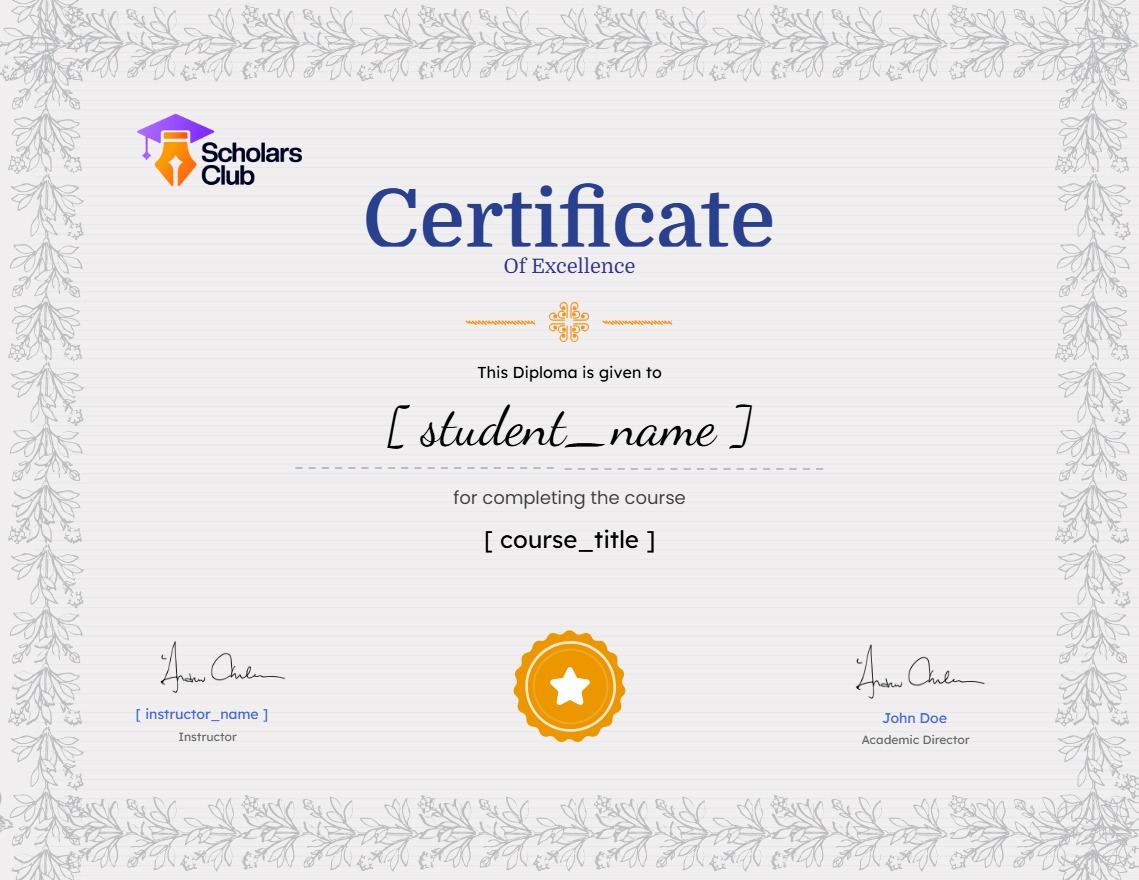
Earn a certificate
Add this certificate to your resume to demonstrate your skills & increase your chances of getting noticed.
A course by

Student Ratings & Reviews


 Lessons: