


Food safety is a fundamental requirement of any food process, from production to consumption. In the UK, food poisoning notifications have historically reached peaks of over 60,000 cases annually, highlighting the critical need for professional oversight. As a supervisor or manager, you hold the legal “duty of care” to ensure that food supplied to consumers is safe and fit for human consumption.
This Level 3 course delves into the complexities of food safety management. You will explore the science of microorganisms, including how bacteria like Salmonella and Listeria behave and how to control them through “hurdle technology”. We cover the vast landscape of UK Food Legislation, explaining the powers of the Food Standards Agency and the framework provided by the Food Standards Act 1999.
Beyond the basics, you will learn to design and implement Integrated Pest Management (IPM) programs and manage the risks associated with food packaging migration and chemical contaminants. This course is conversion-focused, providing you with the practical tools—such as staff training logs and premises design guides—needed to run a professional, high-standard food establishment.
What You Will Learn
- Management-Level HACCP: Learn to define, evaluate, and control hazards systematically to ensure food safety.
- Advanced Microbiology: Understand the growth and death of toxins, spores, and multidrug-resistant “superbugs”.
- UK Food Law Mastery: Navigate the Food Safety Act 1990 and the Food Safety and Hygiene (England) Regulations 2013.
- Premises & Equipment Design: How to layout a kitchen to avoid cross-contamination and meet regulatory requirements.
- Pest Management: Implementing professional controls for rodents, insects, and birds to protect your bottom line.
- Staff Training Protocols: Establishing essential hygiene instruction and formal training for all employees.
- Food Safety Management Tools: Implementing GHP, GAP, and ISO 22000 standards.
Why Should You Take This Course?
- Professional Authority: Gain the credentials required to supervise others and take responsibility for food safety systems.
- Business Protection: Prevent product recalls, lawsuits, and business closures by public health authorities.
- Comprehensive Risk Control: Identify chemical, physical, and microbial hazards at every stage of the food chain.
- Legal Defence: Understand how to maintain records and monitoring systems that satisfy legal enforcement monitoring.
- Safety First: Reduce the risk of foodborne illnesses, which affect millions of people and result in substantial economic costs.
Who This Course Is For
- Business Owners & Proprietors: Of restaurants, cafes, hotels, and catering firms.
- Kitchen Managers & Head Chefs: Responsible for staff supervision and kitchen compliance.
- Supervisors: Working in food retail, manufacturing, or distribution.
- Compliance Officers: Overseeing food safety management systems (FSMS).
- Nurses & Childcare Managers: In settings where high-risk groups (patients/children) are served meals.
Course Content
Importance of Food Safety
-
Importance of Food Safety
Food Safety Legislation
Sources of Food Contamination
Microorganisms
Controlling Contamination
Food Poisoning and Foodborne Disease
Non-Bacterial Food
Temperature Control
Food Preservation
Checking, Verifying and Recording Temperatures
Premises and Equipment Design
Waste, Cleaning and Disinfection
Pest Control
Personal Hygiene
Training Staff
Implementing a Food Safety Management System
Food Safety Management Tools
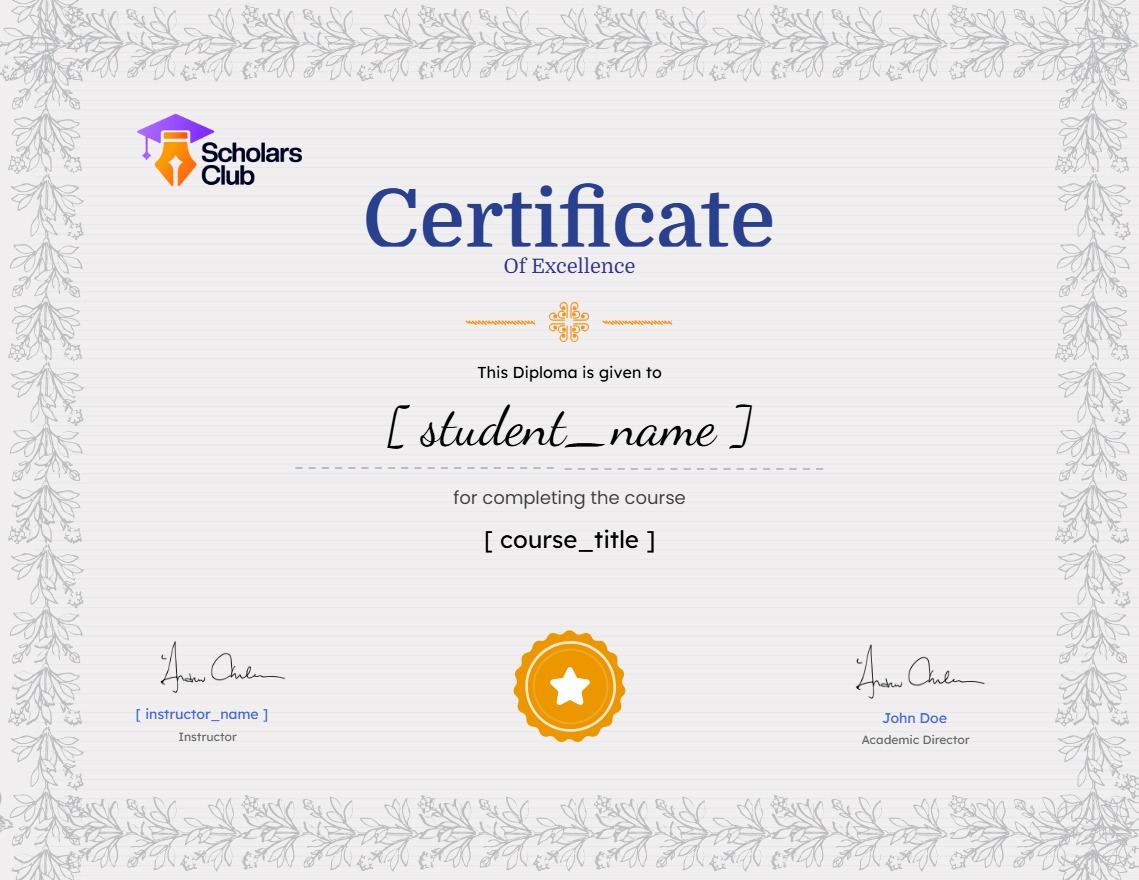
Earn a certificate
Add this certificate to your resume to demonstrate your skills & increase your chances of getting noticed.
A course by

Student Ratings & Reviews

No Review Yet

 Lessons: